
Post success at The Hague summit, the real NATO work remains
Joshua Huminski in this op-ed explores next steps now that NATO allies have signed an agreement to spend 5 percent GDP on defense.
Joshua Huminski in this op-ed explores next steps now that NATO allies have signed an agreement to spend 5 percent GDP on defense.

As US President Donald Trump made headlines, Ukraine's Volodymyr Zelenskyy had a much more low-key presence at this year’s NATO summit.
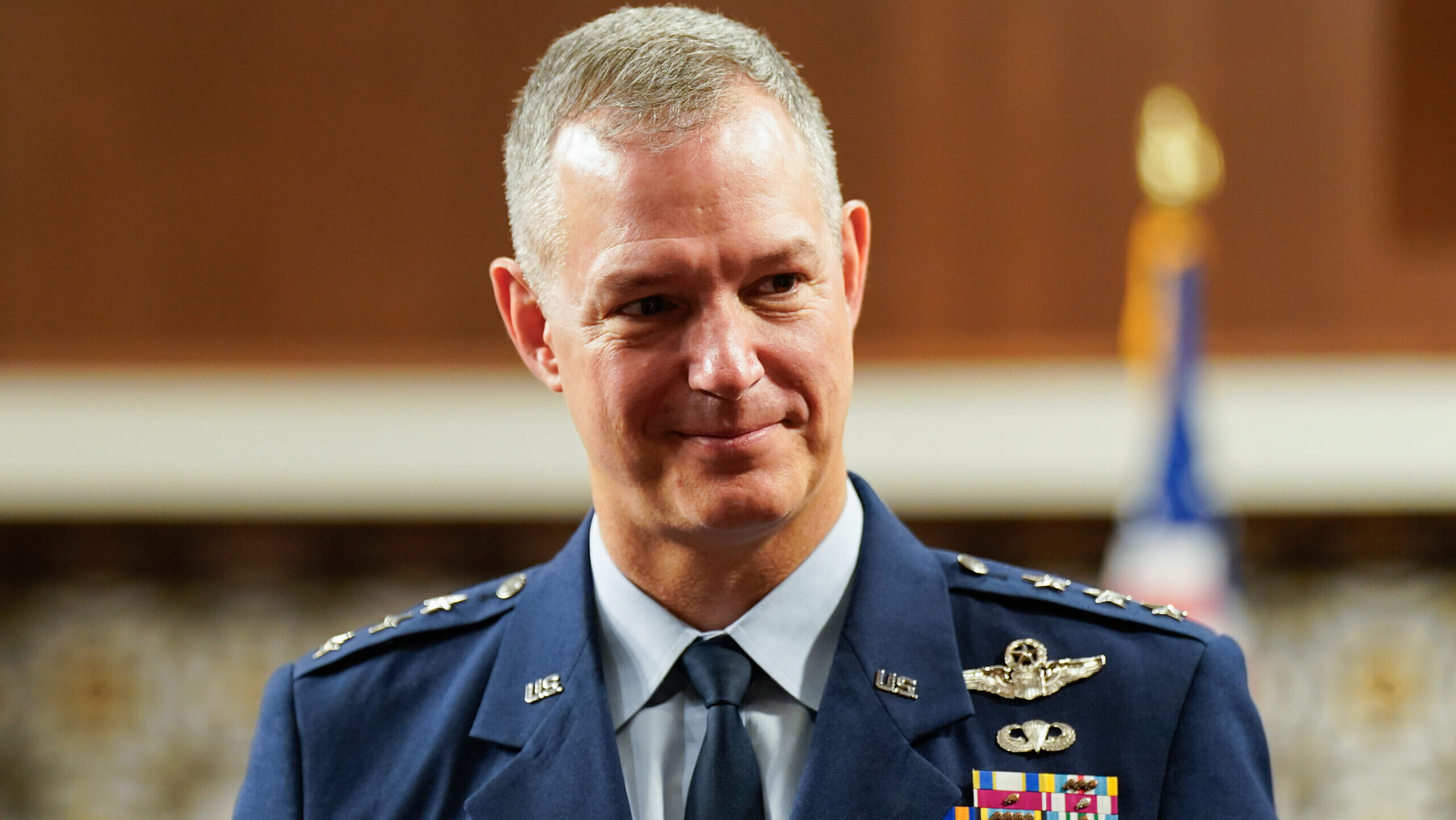
"My goal would be to work very hard with our allies and partners in the region to bring all of that together in a coherent fashion, to increase the strength of the Alliance," SACEUR nominee Lt. Gen. Alexus Grynkewich said.
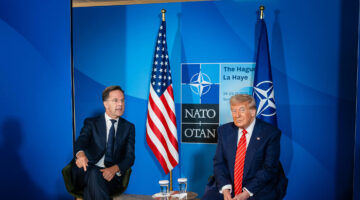
On his way to the NATO summit, the US president suggested the mutual defense clause was unclear, drawing polite rebuke from other heads of state.

The new strategy strongly echoes the US Space Force's Commercial Space Strategy published in April 2024, and copies some of the implementation tools the service has put into place.
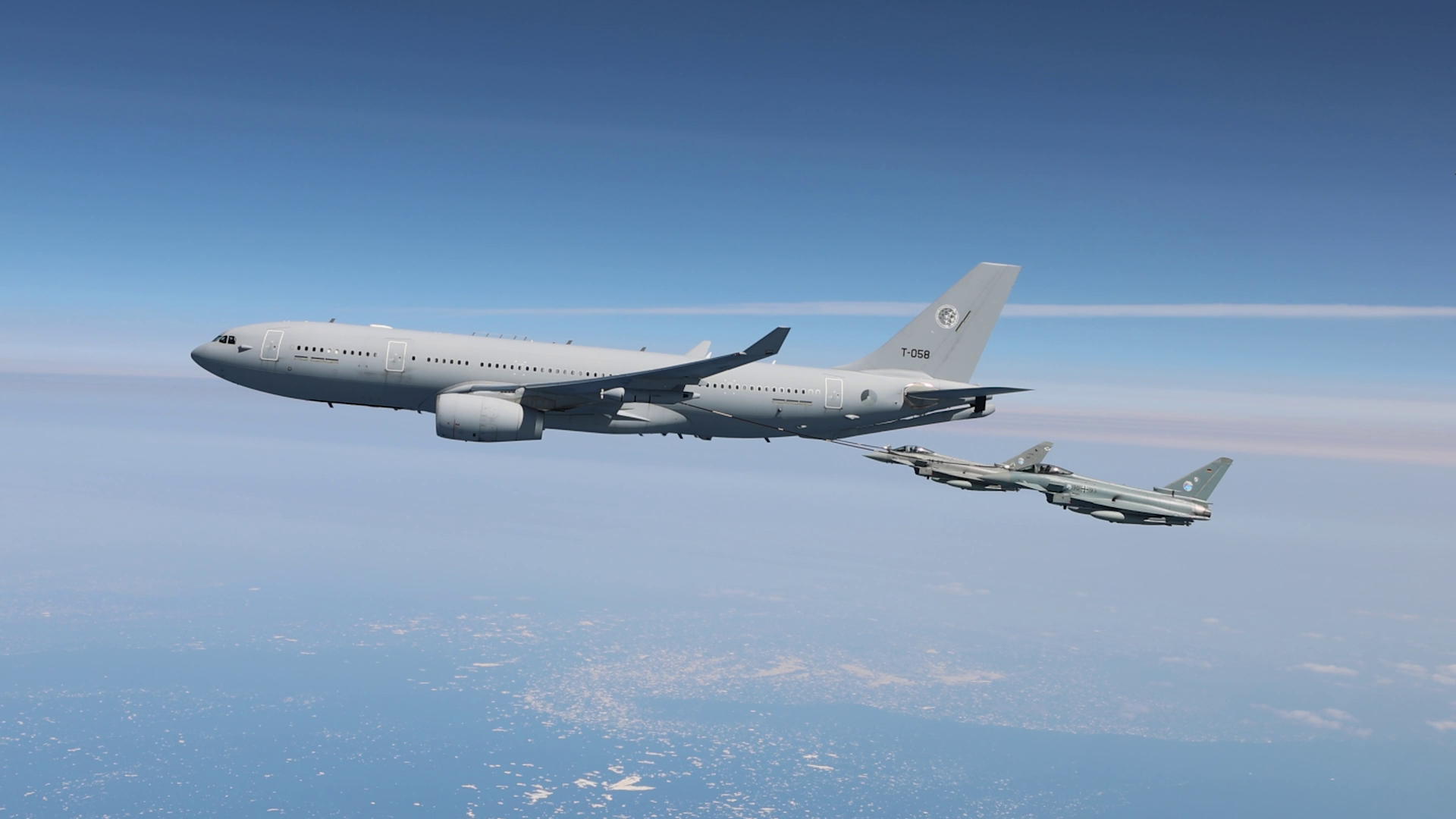
Denmark and Sweden's participation in the the Multinational MRTT Fleet comes a month after the two nations, alongside their Nordic counterparts of Finland and Norway, signed a Letter of Intent (LoI) to join.

"The purchase represents the biggest strengthening of the UK’s nuclear posture in a generation," the UK's Foreign Office said in the announcement.

“There is enough space for [the] US, South Korea, Turkey, these countries which are out from the European Union as well,” Estonia's Minister of Foreign Affairs Margus Tsahkna said.
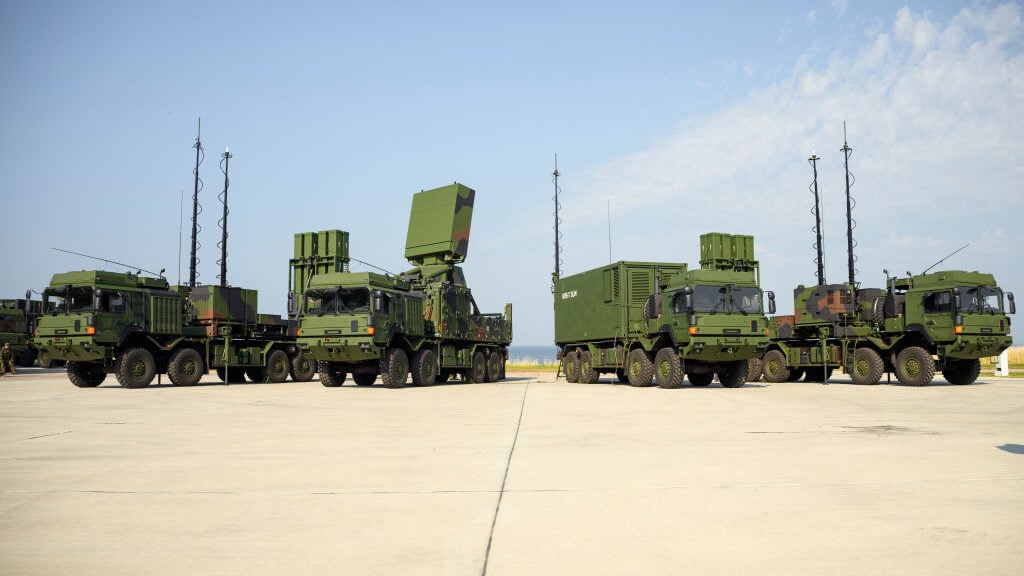
The procurement is for the Swedish army brigades and for the battle group on Gotland to “better defend the military forces we have,” Prime Minister Ulf Kristersson said.

“Stop running around being worried about the US,” echoed NATO Secretary General Mark Rutte. “They are there. They are with us.”
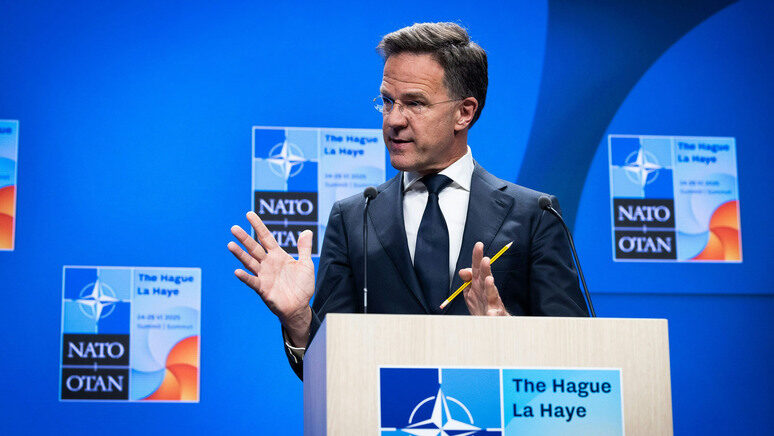
“This is a quantum leap that is ambitious, historic and fundamental to securing our future," said Mark Rutte, NATO Secretary General.